Is Asbestos Harmful If Left Undisturbed?
Asbestos in your house isn't taken into consideration dangerous if it's left undisturbed, intact, and in great problem. The wellness risk comes when asbestos-containing materials are harmed or degrade, launching penalty fibers you can breathe in. As long as you avoid disturbing it and keep an eye on for indicators of failure, you typically do not deal with considerable direct exposure threat. Nonetheless, it is very important to understand where asbestos is discovered and exactly how to detect indication; more information regarding this can assist you remain secure.
Takeaways
- Asbestos is normally not harmful if left undisturbed and in good problem.
- Wellness dangers develop when asbestos fibers are released into the air because of disturbance or deterioration.
- Laws do not need elimination of asbestos if the material stays undamaged and intact.
- Regular evaluation is essential to make certain asbestos-containing materials have actually not become harmed with time.
- Avoid touching, exploration, or disturbing suspected asbestos to protect against unsafe fiber launch.
What Is Asbestos?
Asbestos is a team of normally occurring coarse minerals recognized for their heat resistance, stamina, and insulating residential or commercial properties. You'll locate that asbestos history go back hundreds of years, however it became especially prominent during the 20th century in construction, shipbuilding, and production. Its fibers are microscopic and can be woven or contributed to products for resilience and fireproofing. With time, clinical evidence connected asbestos direct exposure to severe wellness dangers, motivating the development of regulative requirements. commercial asbestos removal Today, regulations strictly control its usage, taking care of, and removal to minimize direct exposure. You'll discover that modern-day building ordinance and safety and security procedures show these standards. Understanding what asbestos is, together with its historical context and existing laws, assists notify danger analysis and conformity with security regulations.
Is Uninterrupted Asbestos Dangerous?
So, how dangerous is asbestos when it's simply laid off? If asbestos-containing products are undamaged and uninterrupted, research suggests they posture minimal prompt risk, as fibers aren't released into the air. However, you shouldn't disregard the capacity for future direct exposure. Evidence-based techniques recommend:
- Airborne screening: This confirms if microscopic fibers are present in the interior air.
- Long term surveillance: Regular inspections assist verify materials continue to be uninterrupted and intact.
- Specialist assessment: Licensed specialists can establish the security and danger degree of asbestos materials.
If you don't disturb asbestos, the threat of fiber launch is fairly reduced. Still, even minor damage-– from aging or subordinate call— can alter that danger account, so continued caution is necessary for long-lasting safety.
Which Home Materials May Contain Asbestos? https://holbornasbestosremoval.co.uk/services/artex-removal.html
You may be stunned to find out that asbestos can be present in materials such as insulation, floor tiles, roof covering, and distinctive paints, specifically in homes built prior to the 1980s. Locations like attic rooms, cellars, and around heater are frequently thought about higher risk for concealed asbestos. Determining these products properly is essential, as asbestos fibers aren't visible without specialized screening.
Typical Asbestos-Containing Materials
Structure materials made before the 1980s commonly include asbestos fibers, making it essential to determine which elements in older homes might present a risk. If you're staying in or remodeling an older residential or commercial property, you ought to know that asbestos was extensively utilized because of its fireproof and insulating homes. Some of the most usual asbestos-containing materials consist of:
- Insulation types: Loose-fill attic room insulation and pipe insulation frequently included asbestos, especially in mid-century homes.
- Floor tiles: Vinyl floor ceramic tiles, particularly 9-inch or 12-inch squares, and their adhesives commonly incorporated asbestos for toughness and toughness.
- Roof and siding: Roofing shingles, roof felt, and certain exterior house siding panels consistently consisted of asbestos fibers to boost weather condition resistance.
Identifying these materials helps you examine potential direct exposure dangers in your house.
Risky Home Locations
When reviewing your home's security, it's important to absolutely no in on certain areas where asbestos-containing products are more than likely to be discovered. In homes built before the 1980s, attic room insulation is just one of the main suspects, specifically if the insulation is loose-fill and classified as vermiculite. Scientific studies show that much of the vermiculite used in North America was contaminated with asbestos. Furthermore, you ought to pay very close attention to floor ceramic tiles, specifically 9-inch or 12-inch ranges, as these regularly incorporated asbestos for resilience and fire resistance. Other high-risk areas consist of pipeline insulation, wallboard, and ceiling tiles. Methodically checking out these locations can assist you assess potential exposure threats. It's crucial to recognize where asbestos could be existing before taking into consideration any restoration or repair.
Determining Hidden Asbestos Dangers
Digging right into the building products located in older homes typically reveals surprise asbestos dangers that aren't immediately obvious. You require to be aware that asbestos may be present in more locations than simply insulation. Numerous surprise hotspots exist in typical building products, particularly in homes built prior to the 1980s. To recognize asbestos-containing materials, specialist examination devices such as polarized light microscopy or transmission electron microscopy are usually required. Key products to review include:
- Vinyl floor ceramic tiles and adhesives-– Often made use of in kitchen areas and cellars, these might consist of asbestos fibers.
- Sprayed-on distinctive ceilings and wall surface coatings-– Popular in mid-century homes, these are well-known covert hotspots.
- Cement roof covering and siding roof shingles-– Long lasting however commonly asbestos-reinforced.
Never disrupt thought products without proper evaluation and testing.
How Do Asbestos Fibers End Up Being Damaging?
You'll discover that asbestos fibers end up being hazardous when materials are disrupted, launching tiny fragments into the air. Once airborne, these fibers can be breathed in and get to deep into your lungs. Scientific studies reveal that breathing noticeably elevates the risk of major wellness conditions, consisting of asbestosis, lung cancer cells, and mesothelioma.
Fiber Launch Causes
Under specific problems, asbestos fibers come to be airborne and hazardous to health and wellness. If you're handling asbestos-containing products, it's vital to recognize which activities can trigger fiber release. The architectural integrity of asbestos products is a crucial element— once compromised, threat raises significantly.
Below are 3 key triggers that can cause asbestos fibers to become air-borne:
- Airflow disturbance: Even minor modifications in air activity, such as from heating and cooling systems or open home windows, can displace fibers from surface areas.
- Remodelling vibration: Tasks like boring, fining sand, or demolition create vibrations that break the asbestos matrix, launching fibers.
- Physical damages: Direct impact, abrasion, or damage because of age can piece asbestos-containing products, raising the opportunity of fiber launch.
Understanding these triggers assists you decrease unneeded asbestos exposure in your environment.
Airborne Particle Inhalation
When asbestos fibers end up being airborne as a result of disruption or damages, the key health and wellness risk arises from inhalation. You're most at danger when the fibers, which are microscopic, end up being put on hold in the air and are little enough to bypass your body's all-natural respiratory system defenses. Bit size is critical— fibers much less than 5 micrometers in diameter and longer than 5 micrometers can pass through deep right into your lungs. Airborne tracking is crucial in environments with possible asbestos exposure; it enables specialists to spot and evaluate fiber concentrations airborne. Without such monitoring, you can't precisely analyze the threat. If asbestos remains undisturbed, fibers typically do not come to be air-borne, considerably lowering the possibility of inhalation and linked health and wellness dangers.
Health And Wellness Risks Acceleration
Although asbestos-containing products may show up safe when left intact, their possible to create harm intensifies as soon as fibers are launched and breathed in. When you disturb these materials, tiny fibers can come to be air-borne and enter your lungs. With time, exposure progression results in a buildup of fibers in lung cells, enhancing the risk of serious health conditions. Long-term surveillance is necessary due to the fact that symptoms of asbestos-related conditions typically take years to appear. Right here's how the rise of health threats generally happens:
- Breathing of airborne asbestos fibers launches the direct exposure progression procedure.
 4. Fibers lodge in lung tissue, creating cellular damage and chronic inflammation.
 - Long term exposure, also at reduced degrees, noticeably boosts risks for asbestosis, lung cancer cells, and mesothelioma cancer.
This underscores the necessity of vigilance with asbestos exposure.
Exactly How Can You Inform If Asbestos Is Wearing away?
Finding signs of wearing away asbestos involves very closely analyzing the material for noticeable modifications such as splits, tearing, or powdery residue. You'll want to try to find fiber staining, which can show chemical changes or age-related degradation of the asbestos-containing material. Surface molting is one more technical sign— when the outer layers begin to peel or break away, the asbestos matrix might be shedding its stability. Inspect for areas where the material shows up softer, a lot more breakable, or where small fragments are gathering nearby. These signs recommend that asbestos fibers could be a lot more conveniently launched if the degeneration proceeds. Regular visual assessments are vital because when you spot these adjustments, you'll know the asbestos is no more in a steady, uninterrupted state and may need specialist analysis.
What Are the Caution Indicators of Disturbed Asbestos?
You need to look for visible product damage, such as fractures, fraying, or falling apart, as these can suggest disrupted asbestos. Another essential indication is the existence of unusual or relentless air-borne dust near suspect materials. Both conditions enhance the risk of asbestos fibers being launched right into the environment.
Noticeable Material Deterioration
Regularly, visible signs of product degeneration can suggest that asbestos-containing materials have actually been disturbed and might be launching harmful fibers. If you're reviewing prospective asbestos threats, it's essential to identify the early indication that the stability of the material has actually been compromised. Evidence-based guidelines highlight the adhering to visible signs:
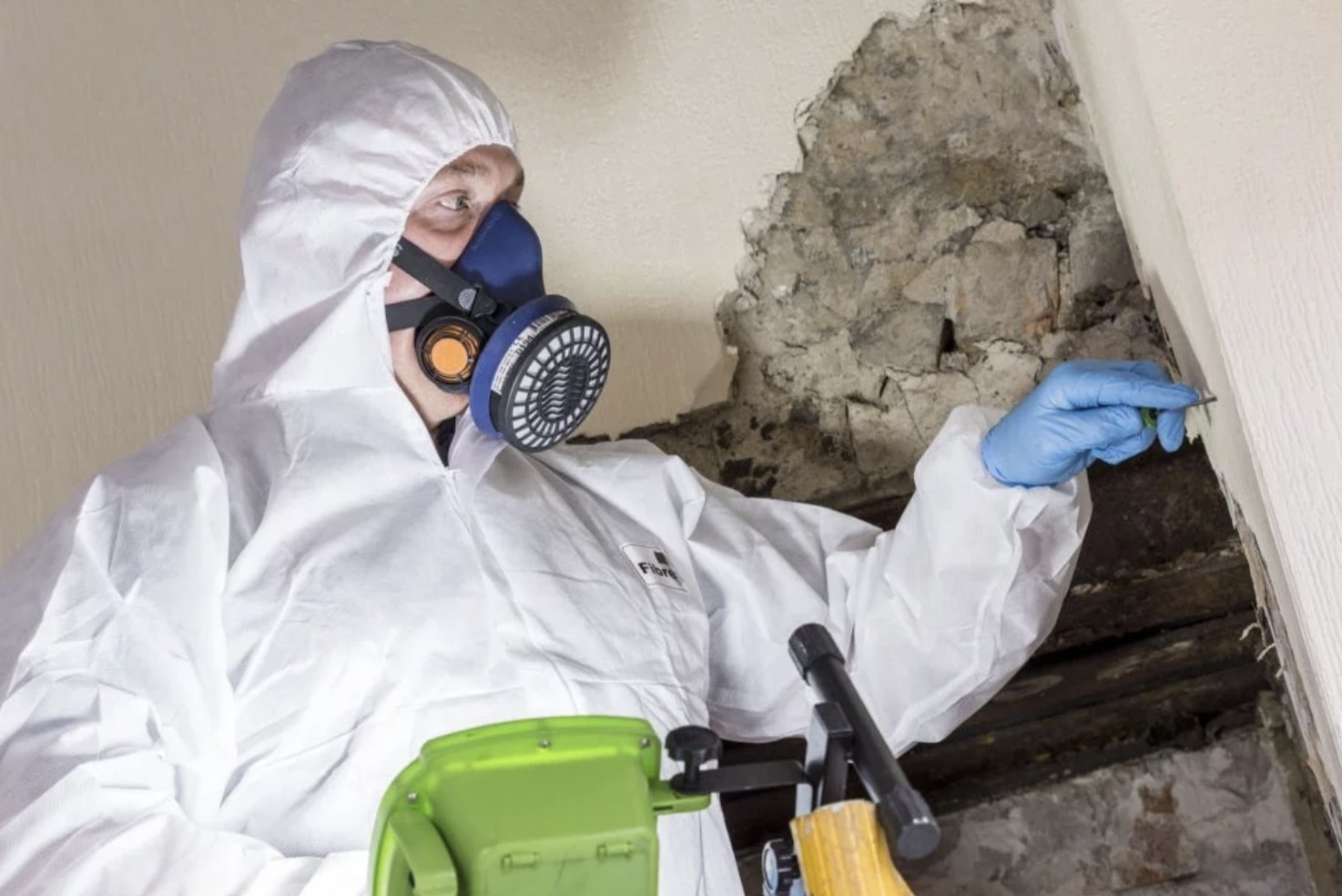
- Asbestos staining: If you see uncommon staining or shade modifications on surface areas, it could indicate water damage or chemical reactions affecting asbestos materials.
- Material falling apart: When insulation, floor tiles, or ceiling panels begin to break, flake, or disintegrate quickly, asbestos fibers may be launched.
- Surface area delamination: Layers of the product peeling or dividing can endanger its containment, raising fiber release danger.
You must promptly seek advice from specialists if you observe any one of these damage indications.
Existence Of Airborne Dust
While visible wear and tear supplies a first sign of endangered asbestos-containing products, the visibility of air-borne dirt is an extra prompt indicator that hazardous asbestos fibers may be circulating in your environment. You could see fine dirt resolving on surface areas near asbestos products, especially following disruption or fixing job. Since asbestos fibers are tiny, you can't see them without customized equipment, however boosted dirt degrees should prompt problem. Airborne surveillance is crucial for identifying asbestos fibers in the air, as visual inspection alone isn't sufficient for evaluating breathing risks. If you observe dust in areas including asbestos, launch dust suppression procedures— such as wetting surfaces and decreasing activity— while awaiting professional evaluation. Never try to clean or disturb the area on your own, as this can boost the danger of exposure.
Typical Misconceptions About Asbestos Safety
In spite of prevalent awareness of the threats connected with asbestos, a number of persistent misconceptions remain to affect public perception about its security. These health and wellness misconceptions can undermine asbestos awareness and concession home security. https://holbornasbestosremoval.co.uk/services/garage-shed-roof-removal.html It's essential to distinguish truth from fiction to much better examine exposure threats. Take into consideration these typical mistaken beliefs:
- Asbestos is just hazardous when airborne: While breathing is the key threat, even uninterrupted asbestos can come to be harmful if future improvements or damages release fibers.
- Newer homes don't include asbestos: Several assume asbestos is only in older residential or commercial properties, however some newer constructions might still contain tradition products or imports.
5. Temporary direct exposure isn't dangerous: While long term direct exposure increases danger, there's evidence that also quick call with airborne fibers can contribute to lasting health problems.
Understanding the realities is essential for effective home safety.
Immediate Steps If You Suspect Asbestos
If you come throughout products in your house that you suspect might include asbestos, it is very important not to disturb them and to assess the circumstance methodically. Prevent touching, boring, or moving the material, as disruption can launch dangerous fibers. Prioritize individual protection-– restriction accessibility to the area, especially for children and animals. In instances where the product is damaged or debris exists, think about a short-term emergency emptying to lessen exposure risk. Do not try preliminary testing on your own; inappropriate handling enhances risk. Instead, develop a fundamental control setup by shutting doors and securing vents to reduce fiber spread. File the area and problem of the presumed asbestos for future reference. These immediate actions are essential for taking care of potential exposure until more action can be figured out.
When Should You Call an Asbestos Expert?
After you've safeguarded the area and lessened the danger of disturbance, identifying when to entail an asbestos expert ends up being the following step. It is critical to call a qualified expert when you're unclear concerning the material's structure or its problem. An experienced specialist can perform an asbestos assessment, giving clear-cut recognition and take the chance of assessment. You should seek expert support in these situations:
- You're intending restorations or demolitions entailing suspicious products.
- The products appear harmed, weakened, or have been disrupted inadvertently.
- You call for a main asbestos evaluation report or an elimination price quote for safety and security or compliance.
Evidence reveals that improper handling boosts air-borne fiber release, boosting health threats. Specialists comply with stringent protocols, guaranteeing exact discovery and safe management. Do not attempt elimination or tasting yourself— specialized abilities and devices are required.
What Are the Lawful Rules for Asbestos in Older Homes?
While older homes often contain products with asbestos, regulations don't need its automatic removal if the material stays in good problem and undisturbed. As a property owner or property owner, you're obligated to follow government and state disclosure laws, which normally require you to inform buyers and, in some jurisdictions, tenants about the visibility of asbestos-containing products. Occupant legal rights might include the right to recognize about prospective hazards and, in some instances, to ask for remediation if the asbestos is damaged or positions a threat. Nonetheless, current guidelines normally concentrate on guaranteeing that asbestos stays uninterrupted and in great repair work. Disruption, such as throughout restorations, triggers more stringent regulations and might need qualified reduction. Always examine local requirements, as they can differ markedly by location.
Just how to Protect Your Household From Asbestos Exposure
Routinely making certain that asbestos-containing products continue to be undamaged is necessary for reducing risk to your family. If you think asbestos exists, don't disturb it-– damaged or degrading materials can release unsafe fibers. Regular inspection and specialist air testing are essential for early discovery of airborne asbestos, providing objective information on interior air high quality. Furthermore, proactive family education is indispensable so everybody comprehends the relevance of not touching or damaging suspicious materials. Below are three crucial actions to aid protect your family:
- Arrange regular air screening with accredited professionals to keep track of asbestos degrees.
- Inform your family about what asbestos is, where it may be discovered, and why it threatens. commercial strip out
- Employ licensed professionals for any kind of necessary elimination or repair service, avoiding DIY treatments.
Frequently Asked Concerns
Can Animals Be Impacted by Asbestos Exposure in the Home?
Yes, your animals can be impacted by asbestos direct exposure in the home. here Animal direct exposure to asbestos fibers can have comparable health influences as in humans, consisting of breathing issues and an increased risk of cancer cells like mesothelioma. Considering that your pets are typically better to the ground, where dirt clears up, they're at greater risk. Securing pet wellness needs without delay addressing any asbestos-containing materials and stopping pets from accessing polluted areas till correct remediation occurs.
Does Asbestos Have a Scent or Visible Appearance?
If you're anticipating asbestos to introduce itself via olfactory discovery or aesthetic inspection, you remain in for a frustration— it's not specifically swing flags or emitting a scent. Asbestos fibers are tiny, so you won't see or scent them. Technically, asbestos-containing products can appear like any type of common building product. Scientific researches verify that neither your nose nor your eyes are dependable detectors; only laboratory evaluation can definitively determine asbestos visibility.
Exist Safe DIY Asbestos Examining Packages Available?
Yes, you can find do it yourself packages for asbestos screening, yet they're not as reliable as specialist lab alternatives. With do it yourself kits, you'll accumulate an example and send it to a certified laboratory for evaluation. However, improper sample collection can release fibers, raising health risks. Evidence suggests expertly collected examples produce more exact outcomes and lessen exposure. If you use a do it yourself kit, constantly adhere to safety and security standards and put on suitable individual protective equipment.
For How Long Does Asbestos Remain Dangerous in a Building?
Did you know asbestos fibers can continue structures for decades or even centuries? Asbestos persistence is exceptional because the mineral's fibers don't degrade conveniently— researches reveal fiber degradation is minimal over time. As long as asbestos-containing materials continue to be undamaged, the risk largely exists if they're disturbed and fibers come to be air-borne. Even after 40 years, asbestos can still be unsafe, so it's essential you do not assume time alone decreases the risk.
Can Asbestos Contamination Affect Home Resale Value?
Yes, asbestos contamination can affect your home's resale worth. You'll require to provide an asbestos disclosure, which might discourage potential purchasers or reduced deals because of health and wellness worries and expected removal expenses. Market perception plays a considerable duty— homes with known asbestos issues are usually deemed higher risk. Evidence recommends that purchasers have a tendency to negotiate boldy and even walk away when asbestos is revealed, affecting your property's good looks and final sale price.